1. Overview of the Everest Base Camp Trek
The Everest Base Camp Trek (EBC) is one of the most iconic trekking routes in the world, drawing adventurers and nature enthusiasts alike to the heart of the Himalayas. This incredible journey not only takes you to the base of the world’s tallest mountain, Mount Everest, but also immerses you in the rich culture and traditions of the Sherpa people. With breathtaking vistas, diverse landscapes, and a chance to challenge yourself physically, this trek offers a truly unforgettable experience. For an insightful overview of this trek, Everest base camp is the ideal destination to begin your adventure.
The Journey to Everest Base Camp: An Introduction
Set in the stunning Sagarmatha National Park, the trek to Everest Base Camp encompasses approximately 130 kilometers (80 miles) round trip. This journey usually spans about 14 days, including acclimatization days to help trekkers adjust to the high altitude. Starting from the small town of Lukla, the trail winds through breathtaking landscapes, lush forests, and traditional Sherpa villages, ultimately leading to the base camp at an elevation of 5,364 meters (17,598 feet).
Understanding the Elevation and Landscape
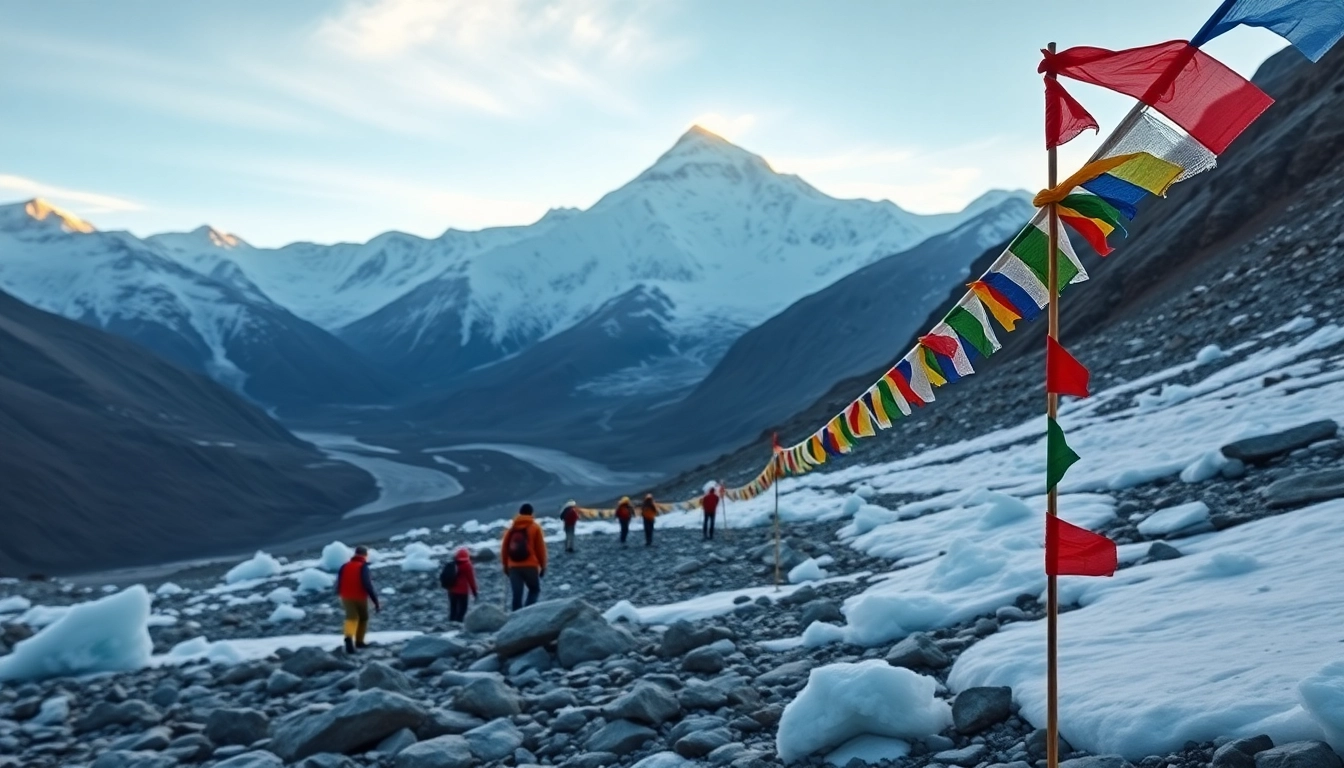
As trekkers ascend through the Khumbu region, they experience a dramatic increase in altitude. The trek offers varied landscapes, from lush green valleys to stark glacial moraine. Key points of interest include the vibrant village of Namche Bazaar, the stunning Tengboche Monastery, and the picturesque views of legendary peaks such as Lhotse and Ama Dablam. Managing elevation gains becomes crucial, making acclimatization practices a key part of the journey.
Key Highlights of the Trekking Experience
- Experience breathtaking views of legendary peaks, including Mount Everest, Lhotse, and Makalu.
- Interact with the warm and hospitable Sherpa community, gaining insights into their rich culture.
- Visit historical and spiritual sites, such as the Tengboche Monastery.
- Enjoy diverse landscapes, ranging from enchanting rhododendron forests to glacial moraines.
2. Detailed Itinerary for the 14-Day Trek
Day-by-Day Breakdown of the Trek
The EBC trek follows a carefully structured itinerary to ensure optimal acclimatization and enjoyment. Below is a detailed breakdown of what each day entails, from the moment you land in Kathmandu to the time you return.
Important Stops along the Route
Key stops during the journey include:
- Day 1: Arrival in Kathmandu
- Day 2: Fly to Lukla, then trek to Phakding
- Day 3: Trek to Namche Bazaar
- Day 4: Acclimatization day at Namche, hike to Hotel Everest View
- Day 5: Trek to Tengboche
- Day 6: Trek to Dingboche
- Day 7: Acclimatization day, hike to Nangkartsang Peak
- Day 8: Trek to Lobuche
- Day 9: Trek to Everest Base Camp
- Day 10: Hike to Kala Patthar, then back to Pheriche
- Day 11: Trek to Namche Bazaar
- Day 12: Trek to Lukla
- Day 13: Fly back to Kathmandu
- Day 14: Departure from Kathmandu
Acclimatization Days: Why They Matter
Proper acclimatization is vital for the success of the Everst Base Camp trek. Spending extra time at certain altitudes allows the body to adjust to reduced oxygen levels. The acclimatization days, particularly in Namche Bazaar and Dingboche, are designed to minimize the risk of altitude sickness and ensure trekkers can experience the full beauty of the journey.
3. Preparing for the Everest Base Camp Trek
Packing List Essentials for Trekkers
Being well-prepared is crucial for the Everest Base Camp trek. Below is a comprehensive packing list to help ensure you have everything you need:
- Upper Body: Thermal base layers, fleece jacket, waterproof jacket
- Lower Body: Trekking pants, thermal tights
- Hands: Gloves, trekking poles
- Feet: Hiking boots, warm socks, sandals
- Undergarments: Moisture-wicking underwear
- First Aid Kits and Medications: Altitude sickness medication, basic first aid supplies
- Other Essentials: Headlamp, power bank, hydration system
Physical Fitness and Training Tips
Preparing your body for the trek is essential. A regimen that includes cardiovascular training, strength workouts, and hiking can significantly enhance your fitness levels. Aim for at least 30 minutes of high-intensity training most days of the week, gradually increasing in duration and intensity as your trek date approaches.
Safety Measures and Health Precautions
Your health and safety during the trek should be a top priority. Always monitor your physical condition closely and communicate with your guide about any signs of altitude sickness. Ensuring you have adequate travel insurance that covers high-altitude trekking is also strongly recommended.
4. Understanding Costs and Inclusions
What’s Included in the Trek Package?
The cost of the Everest Base Camp trek typically includes accommodations, meals, permits, guides, and porters. It's essential to review the inclusions in your trek package to understand precisely what services you will receive. Here’s a breakdown:
- Accommodation in Kathmandu and during the trek
- All meals on the trek
- Domestic flights to and from Lukla
- Permits for Sagarmatha National Park and TIMS card
- Professional English-speaking guides and porters
Additional Expenses to Consider
While the main costs are covered, you should also budget for additional expenses, such as:
- Snacks and beverages
- Hot showers and charging electronic devices
- Tips for guides and porters
- Souvenirs and personal purchases
Tips on Budgeting for Your Trip
To ensure you have a smooth financial experience, plan your budget in advance. Typically, allocating an extra USD 15-20 per day during the trek for snacks and drinks is advisable. Also, consider setting aside funds for any unplanned expenses that may arise along the trail.
5. FAQs and Additional Information
Common Questions about the Trek
First-time trekkers often have numerous questions. Whether it’s about physical fitness requirements, safety protocols, or what to expect on the trail, our resources and guides can help clarify any doubts you might have.
Tips for First-Time Trekkers
If it's your first trek to Everest Base Camp, consider joining a guided group. This option not only offers a safer journey but also provides camaraderie with fellow trekkers, making the experience even more enjoyable. Additionally, keep an open mind and embrace the unexpected challenges that come with trekking in diverse terrains.
Contacting Ace the Himalaya for Support
For any questions or to make inquiries regarding the Everest Base Camp trek, Ace the Himalaya is readily available to assist. Their experienced representatives can provide personalized guidance tailored to your needs, making the planning process smoother and more enjoyable.