Understanding Central Heating Leaks
If you're a homeowner, the integrity of your central heating system is crucial for both comfort and safety. Central heating leaks can significantly impact your home's efficiency, leading to higher energy bills and potential damage if left unchecked. Proper understanding of what causes these leaks, recognizing the signs, and the significance of early detection are essential for maintaining a healthy home environment. When exploring options, central heating leak detection services can provide comprehensive insights into identifying and addressing these issues effectively.
What Causes Central Heating Leaks?
Central heating leaks can arise from various sources, predominantly due to aging infrastructure, poor installation, or environmental factors. Here are some common causes:
- Piping Issues: Over time, pipes can corrode or crack, especially if they are made from materials susceptible to rust, such as steel.
- Joint Failures: The connections between pipes, often sealed with fittings or solder, can weaken and lead to leaks.
- Temperature Fluctuations: Frequent changes in temperature can cause pipes to expand and contract, which may lead to structural weaknesses and leaks.
- Improper Installation: If a heating system is not installed correctly, it can lead to undue stress on the pipes, resulting in leaks.
- Ground Movement: Natural ground settling or shifting can affect pipe alignment and integrity, potentially causing leaks.
Signs of a Central Heating Leak
Detecting a leak early can save you a significant amount in repair costs and prevent further damage. Here are some signs to watch for:
- Water Puddles: Puddles near the boiler or around radiators may indicate a leak.
- Increased Bills: A sudden spike in your heating bills could suggest that your system is losing heat due to a leak.
- Creaking or Noisy Pipes: Unusual noises can signal air trapped in the system due to leaks.
- Damp Walls or Ceilings: Moisture or discoloration near pipes or radiators indicates a potential leak.
- Drop in Pressure: Regularly checking the pressure gauge can help identify drops that signal a leak.
The Importance of Early Detection
Early detection of leaks in your central heating system is key to preventing extensive damage. Hidden leaks can lead to mold growth, structural damage, and even health issues arising from damp conditions. By employing advanced leak detection services, you can significantly mitigate these risks, ensuring your home remains safe and efficient.
Advanced Leak Detection Technologies
The methods used for leak detection have vastly improved over recent years, incorporating advanced technology to allow for non-invasive and highly accurate assessments. The latest leak detection technologies can pinpoint even the smallest leaks without disturbing your property.
Using Thermal Imaging for Accurate Detection
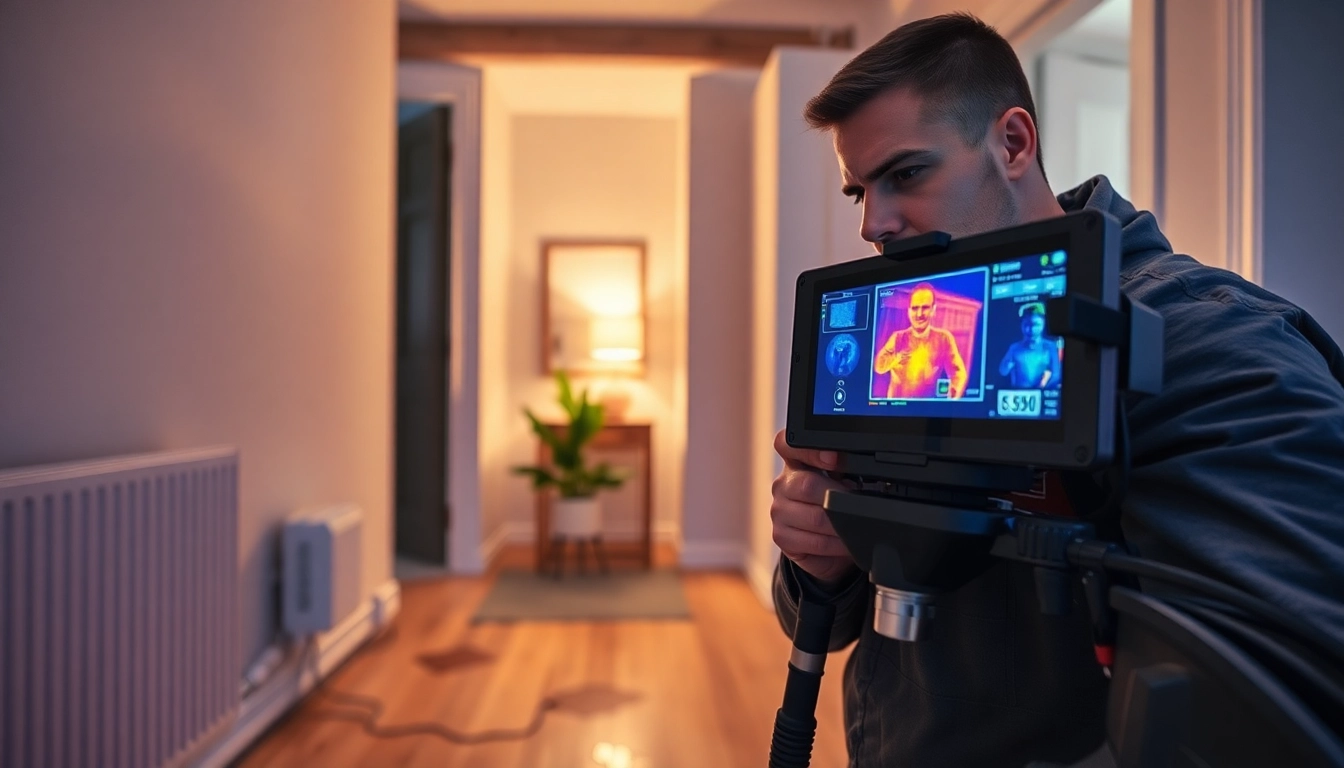
Thermal imaging cameras are an essential tool in modern leak detection. These cameras visualize temperature changes in your heating system, allowing technicians to identify cooler areas indicating leaks. This method is particularly effective for detecting leaks behind walls or under floors where traditional methods may fall short.
Benefits of Pressure Testing in Heating Systems
Pressure testing is a widely used method that involves isolating a section of the heating system and monitoring the pressure. If the pressure drops, it implies a leak in that section. This method is reliable and provides quick results, allowing for efficient identification of problematic areas.
Acoustic Devices: Listening for Leaks
Acoustic devices can detect the sounds of escaping gas or water through pipes, even those buried underground. These sophisticated devices pick up on the high-frequency sounds made by leaks, enabling technicians to locate the source accurately without invasive measures.
Common Challenges in Detection
While advances in technology have made leak detection more accurate, challenges still exist in identifying leaks within complex heating systems.
Identifying Hidden Leaks in Home Systems
Hidden leaks pose a significant challenge because they are not easily visible. Often located behind walls or under floors, these leaks can go unnoticed until considerable damage has occurred. Professional leak detection services utilize a range of technologies to uncover these hidden issues effectively.
Dealing with Complex Pipework
Older homes often contain intricate pipework that can complicate leak detection. Understanding the layout and specifications of your heating system is crucial for technicians to navigate effectively and accurately pinpoint leaks without unnecessary damage.
Understanding Your Heating System Layout
A comprehensive understanding of your heating system layout allows for quicker diagnostics and repairs. Homeowners should familiarize themselves with the basic configuration of their system to facilitate communication with leak detection professionals, ensuring they receive informed and accurate service.
Best Practices for Leak Management
Managing leaks effectively entails a combination of regular maintenance, prompt action upon suspicion of a leak, and selecting the right professionals to handle repairs.
Regular Maintenance to Prevent Leaks
Routine maintenance of your heating system is essential in preventing leaks. Regular inspections and servicing can identify potential issues before they escalate into significant problems, saving you time and money in the long run. Homeowners should schedule annual check-ups with qualified technicians to ensure their systems are operating optimally.
How to Respond When You Suspect a Leak
If you suspect a leak, acting quickly is essential. Turn off your heating system, check for visible signs of moisture, and monitor pressure levels. It is advisable to contact a leak detection specialist to assess the situation and implement the necessary repairs as swiftly as possible.
Choosing the Right Leak Detection Professionals
Hiring experienced and certified leak detection professionals is crucial. Always seek technicians who are equipped with the latest technology and have a proven track record in leak detection. Verified customer reviews and recommendations can also guide you in making an informed choice.
Future Trends in Leak Detection
The leak detection field is continuously evolving, incorporating new technologies and methodologies to enhance service delivery.
Innovations in Leak Detection Technologies for 2025
As the industry progresses, innovations such as AI-driven analytics for predictive maintenance and drone-assisted inspections may become standard, offering enhanced efficiency and accuracy in leak detection services. The integration of these technologies promises to make the process even more reliable and cost-effective.
Smart Home Integration for Leak Monitoring
With the rise of smart home technology, integrating leak detection systems with existing smart home devices could revolutionize how homeowners monitor their systems. Smart sensors can alert homeowners to potential leaks in real-time, allowing for prompt action and preventing extensive damage.
Impact of Sustainability on Leak Detection Practices
As the focus on sustainability increases, leak detection services are embracing eco-friendly practices. This includes using non-toxic materials for repairs and enhancing the efficiency of heating systems to reduce energy consumption and greenhouse gas emissions. Sustainable leak detection methods will likely become a standard expectation among consumers.